
JUDI LACAVA GOLDKAMP
I kept telling them something was wrong.
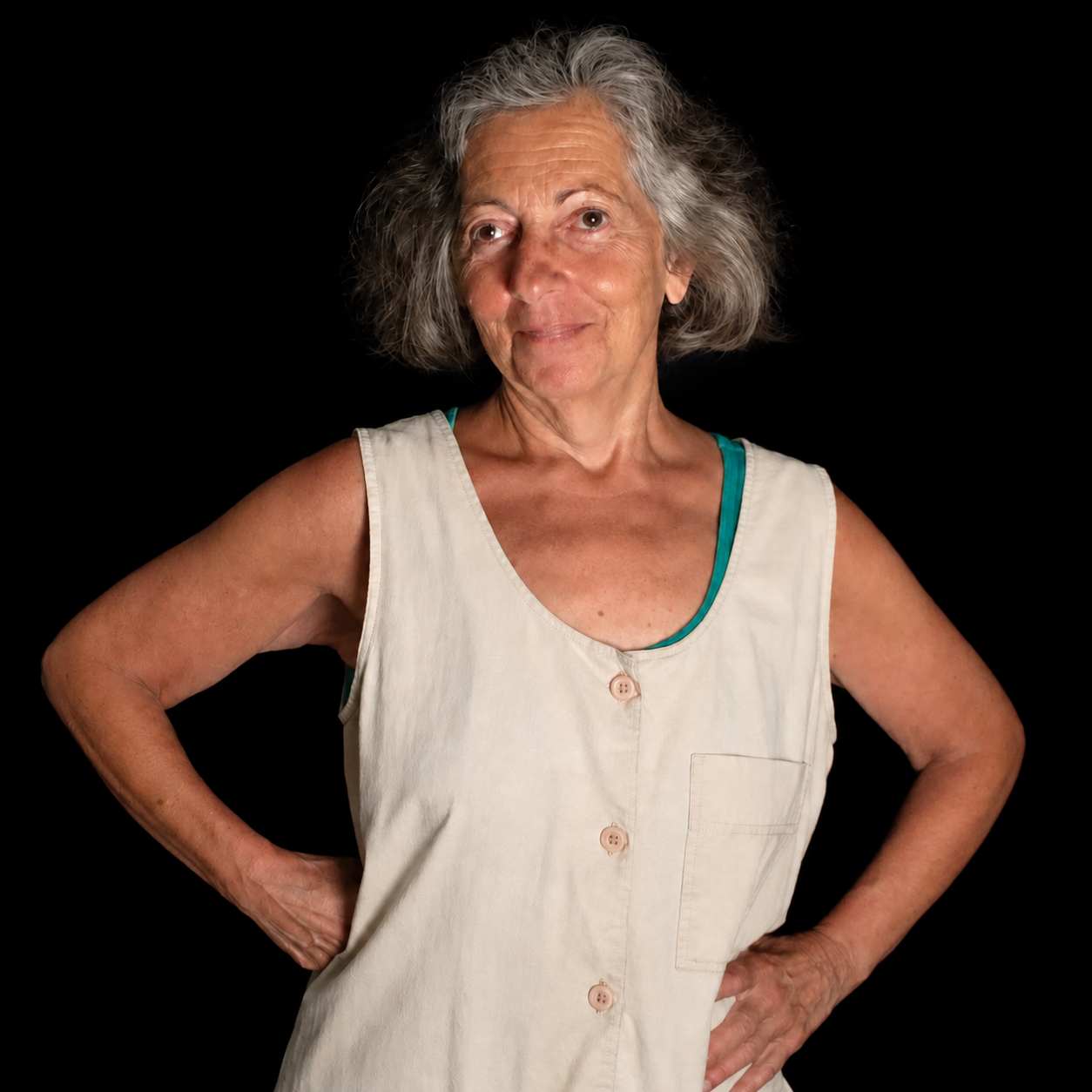
My name is Judi LaCava Goldkamp. I am Karl’s wife and I co-wrote Precision PSMF with him. This is my own account, in my own words, of two things that happened to me about ten years apart. They are not really two stories. They are the same story twice.
Before any of it
The first sign was a number
About two years before my eye ever went fuzzy, a blood test came back with a high IGF-1. Nobody could account for it. I saw a naturopathic doctor we knew and trusted, and an MD neurologist, and neither of them could explain the result. It went into the file as an oddity and we moved on.
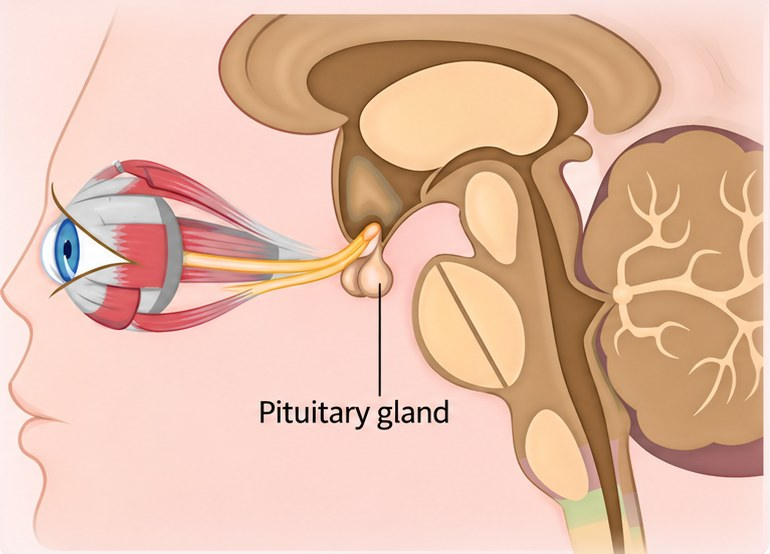
IGF-1 is produced in response to growth hormone, and growth hormone is produced by the pituitary gland. The tumour that was eventually found was sitting against the pituitary and the optic chiasm. I am not going to tell you that one caused the other, because nobody ever proved it. What I will tell you is that a number was out of range two years before anyone looked at my head, and it was never followed anywhere.
2009
It started as a smudge
The sight in my right eye went fuzzy. I thought I had scratched it. I went to an eye doctor, who sent me to an ophthalmologist, who sent me to a retinal specialist, who was supposed to be the best in the area.
He ran tests and found fluid leaking behind the eye. He told me it was unusual, because that normally happens in men, not women. Men with high-stress jobs. I had an extremely high-stress job. I was working full time as a database analyst and running the front desk of our medical practice on top of it. That should have been a flag. Instead it became the explanation.
He told me the vision loss was stress. He told me to meditate and calm down. He told me I would never get the sight back, and left it there.
I believed him. That is the part people find hardest to understand and it is the easiest part to explain. He was the specialist. My job genuinely was destroying me. What he said fit what I already knew about my own life, and when an explanation fits, you stop looking.
I went back the next year. Same answer. The year after that. Same answer.
2012
He said I was blocking something out
By the fourth visit I could not see anything at all out of that eye. Not blurred. Nothing.
He told me I was trying to block something out of my life, and that it was manifesting as the loss of my sight. He was going to refer me to a psychiatrist. But before he did that, he said, he would send me to a neuro-ophthalmologist, just to be sure.
She was at Saint Raphael’s in New Haven. She looked at my eye and her face changed. She said I needed an MRI tomorrow and a neurosurgeon after that.
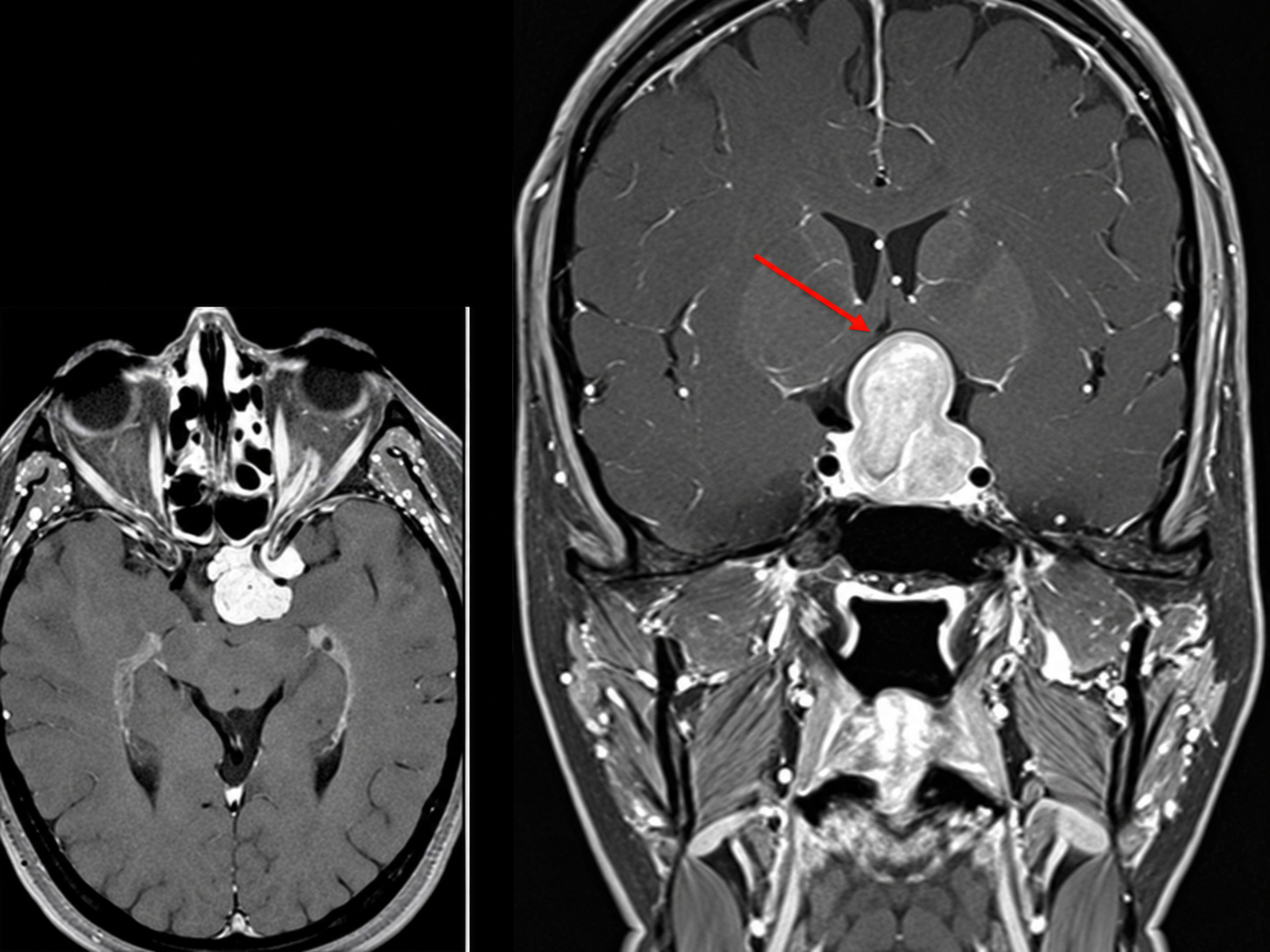
I had the MRI the next morning. She rang me at half past five that evening and told me I had a tumour pressing on my optic nerve.
It was a meningioma the size of a large plum. It was sitting against the optic nerve and the pituitary and had started to travel toward the other eye and down into my nose. When I finally saw the images, it was not vague or borderline. It was unmistakable.
Four years. One question nobody asked.
The answer was not hard to find. Nobody went looking for it.
It took one doctor, one appointment, and one scan. The scan had been available the whole time. What was missing was somebody willing to entertain the possibility that the first explanation was wrong.
The surgery
The neurosurgeon was hesitant. Because of where it sat, she thought I might have a stroke on the table. I might die. I might wake up paralysed down my left side. She took my case to four other neurosurgeons before she would agree to operate.
She also could not tell me in advance whether she could remove it. Some of these are soft and some are hard. If it was hard there was nothing she could do. If it was soft she could take it out.
I was diagnosed in November 2012 and operated on 28 February 2013. I was not frightened going in, which surprises people. I had complete confidence in her, and none of it was in my control anyway.
It was soft. She got all of it. Someone stood in the room the whole time measuring my neurological function.
I never got the sight back in that eye.
Afterwards
I could not lie flat for eight weeks, so I slept sitting up. I was told not to go near children because I would frighten them. I was told to walk, but it was March in Connecticut and I could not go alone, so I used the treadmill at less than a mile an hour, which I had also been told not to do. I did it because I knew movement would help.
I had arranged with my employer and my surgeon to return part time after twelve weeks. On the day I was due back, they laid me off.
I was still getting headaches and still exhausted, months after I was told I should not be. Nobody could find a reason. I mentioned in passing, walking out of an appointment, that it seemed to happen when I was at the computer. My doctor stopped and said I could not work any more. If eight to twelve hours a day at a screen brought on headaches and fatigue, and that was the job, then that was the end of the job.
That was my career.
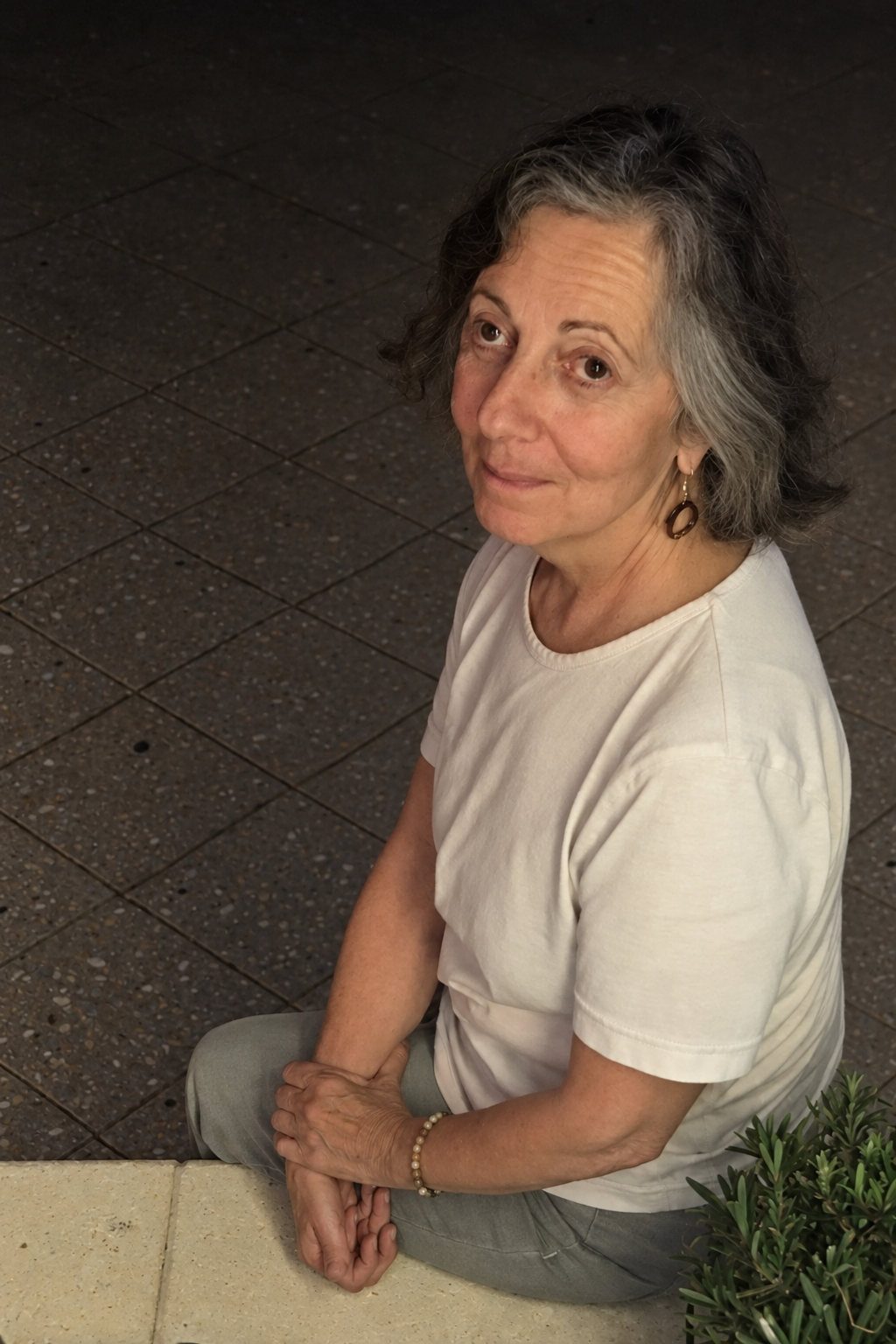
I do not much like calling it a disability, but there are things I cannot do now. Stairs need attention. So does anything where depth matters. I have made a decision not to let the list of things I will not attempt get any longer, because I have watched what happens to people when it does. The radius of a life contracts, and then it keeps contracting.
January 2016
My total cholesterol came back at 411
Three years after the surgery, at a routine checkup, my total cholesterol came back at 411. It had been around 210. My doctor had been suggesting statins even at that. Her concern was family history: my father had a triple bypass in his early seventies.
At 411 even I was rattled.
But my triglycerides were good. My HDL was good. My CRP was under one. Those three sat right next to the number everyone was reacting to, and nobody was reading them together.
So I went and got three more tests instead.
A carotid scan, to look for plaque. It was clean.
An NMR, which gives particle size. Mine came back type A, the large buoyant kind, not the small dense kind.
And a CT heart calcium score, which my doctor had not heard of and insurance would not cover. It runs about a hundred and fifty dollars. Mine came back at five. The scale runs to several hundred.
I had to ask for every one of those. I had to find the labs myself. I paid for one of them out of pocket, because the insurer that would happily fund a lifetime of medication would not fund a single test to establish whether I needed it.
Without those three tests I would have been put on a statin, on the strength of one number, and I would still be on it.
I am not telling anybody else what to do about their cholesterol or their medication. I am telling you what one number looked like on its own, and what it looked like with three others beside it.
Both times, the number was not the problem
A specialist had four years and one symptom and never ordered the scan. A doctor had one lipid value and reached for the prescription pad. In both cases the information that would have changed the answer already existed. Nobody had gone and got it.
That is why I am comfortable being difficult with doctors now. Not rude. Difficult. It is my body, and I am the only person in the room who will be living in it afterwards.
These days Judi cooks, and puts most of it on camera, at Judi’s Keto Kitchen.
This is a personal account and nothing in it is medical advice. Decisions about medication, including statins, belong between you and your own physician. The tests described here were requested and paid for privately by the author.
Follow Me


Recent Posts
Archives
- October 2026
- September 2026
- August 2026
- July 2026
- June 2026
- May 2026
- April 2026
- March 2026
- February 2026
- January 2026
- December 2025
- November 2025
- October 2025
- September 2025
- August 2025
- July 2025
- June 2025
- May 2025
- April 2025
- March 2025
- February 2025
- January 2025
- December 2024
- November 2024
- October 2024
- September 2024
- August 2024
- July 2024
- June 2024
- May 2024
- April 2024
- March 2024
- February 2024
- January 2024
- December 2023
- November 2023
- October 2023
- September 2023
- August 2023
- July 2023
- June 2023
- May 2023
- April 2023
- March 2023
- February 2023
- January 2023
- December 2022
- November 2022
- October 2022
- September 2022
- August 2022
- July 2022
- June 2022
- May 2022
- April 2022
- March 2022
- February 2022
- January 2022
- December 2021
- November 2021
- October 2021
- September 2021
- August 2021
- July 2021
- June 2021
- May 2021
- April 2021
- March 2021
- February 2021
- January 2021
- December 2020
- November 2020
- October 2020
- September 2020
- August 2020
- July 2020
- June 2020
- May 2020
- April 2020
- March 2020
- February 2020
- January 2020
- December 2019
- November 2019
- October 2019
- September 2019
- August 2019
- July 2019
- June 2019
- May 2019
- April 2019
- March 2019
- February 2019
- January 2019
- December 2018
- November 2018
- October 2018
- September 2018
- August 2018
- July 2018
- June 2018
- May 2018
- April 2018
- March 2018