
About Dr. Karl Goldkamp
My brother’s labs ran for nine and a half years.
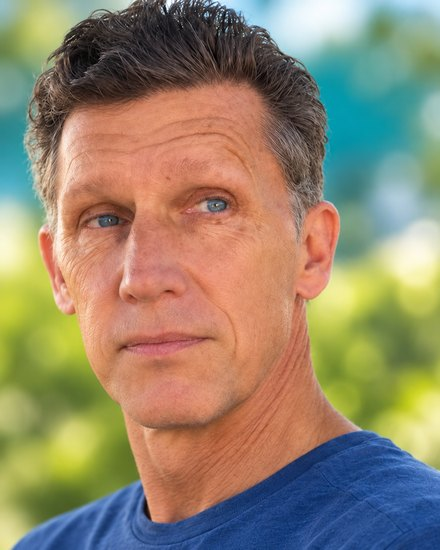
Karl Goldkamp, ND
Multiple myeloma. Every result, every medication, every date. I sat with him through all of it and I kept the spreadsheet. John was my only brother and my oldest friend, and I watched his numbers for nine and a half years before they stopped.
That spreadsheet is where this practice comes from. Not from medical school. From watching a column of numbers month after month and understanding something it took me years to say plainly: read one at a time, those numbers tell you almost nothing. Read against each other, they tell you a great deal.
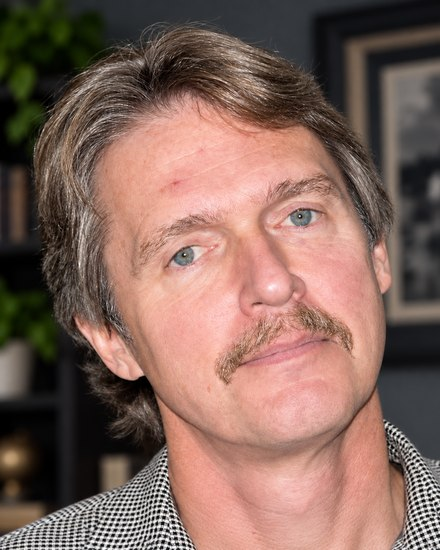
John Goldkamp, PhD
Criminal justice
2012
The year the floor gave way
Inside about two years my mother died, my brother died, my wife was diagnosed with a brain tumor that four years of specialist appointments had missed, and the medical practice we had put every dollar of our savings into went bankrupt.
We had bought the building in Old Lyme, Connecticut. Replaced the windows, the heating, the cooling, rebuilt the downstairs for a tenant, deferred the student loans to do it. The 2008 collapse took four years to reach us and then took all of it. Patients stopped paying their co-pays. The tenant could not make rent. We sold the building for well under half what we had paid and handed the new owner our architectural drawings on the way out the door.
Judi had been telling a retinal specialist about blurred vision in her right eye since 2009. Three years running, he suggested it was in her mind. On the third year he told her she was probably blocking something out, and said he would send her to a psychiatrist, but would refer her to a neuro-ophthalmologist first to be sure. That neuro-ophthalmologist, at Saint Raphael’s in New Haven, took one look and ordered an MRI for the next morning. She rang that evening. A meningioma the size of a large plum, pressing on the right optic nerve and starting to travel toward the other eye. Her elevated IGF-1, which I did not know at the time to read the way I read it now, was the tumor pushing on the gland. The surgery took twelve hours. She never got the vision back.
Judi has written her own account of those four years, and of what happened a decade later when her cholesterol came back at 411. It is here, in her words, and it makes the argument of this whole page better than I do.
My turn
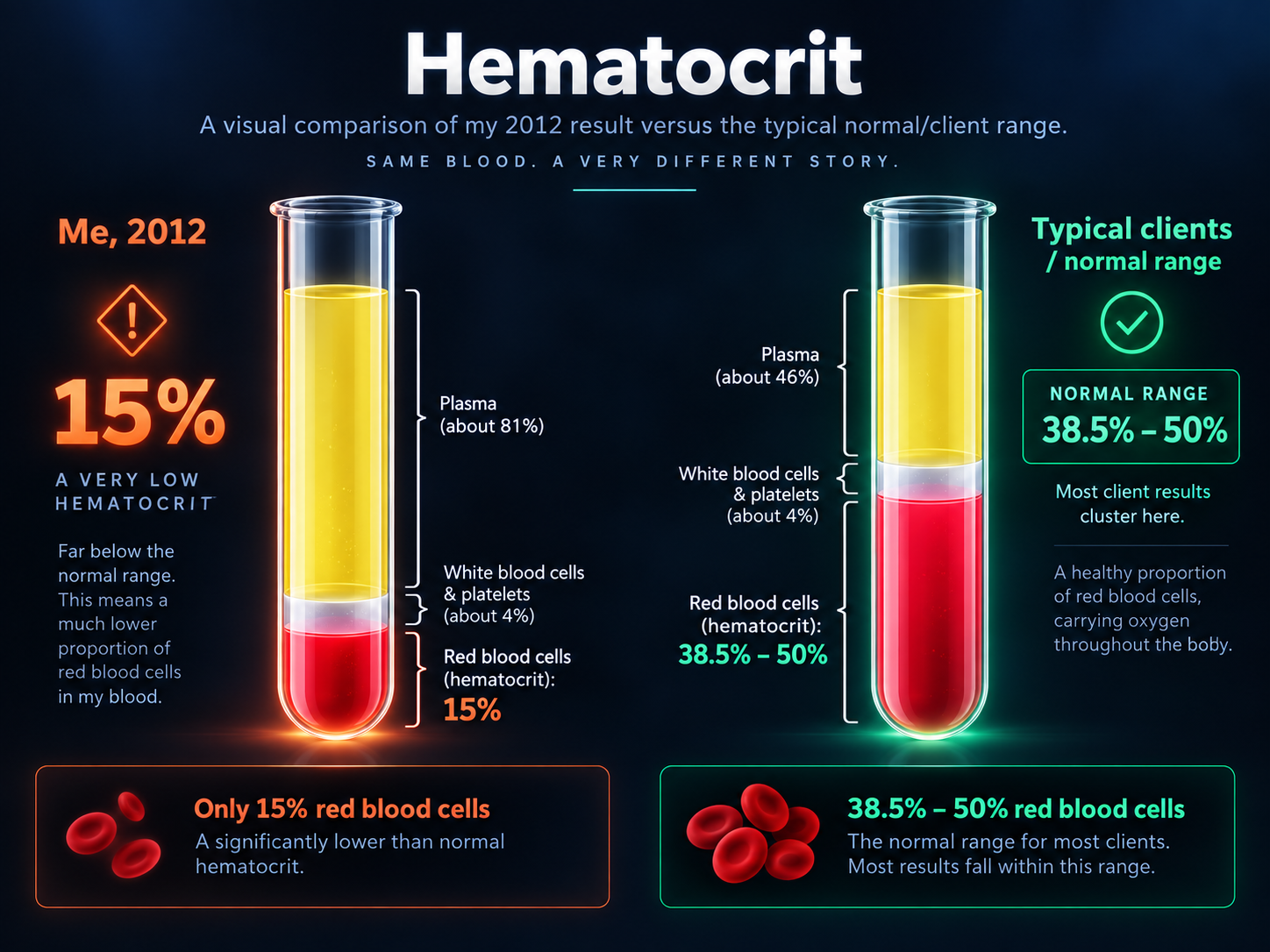
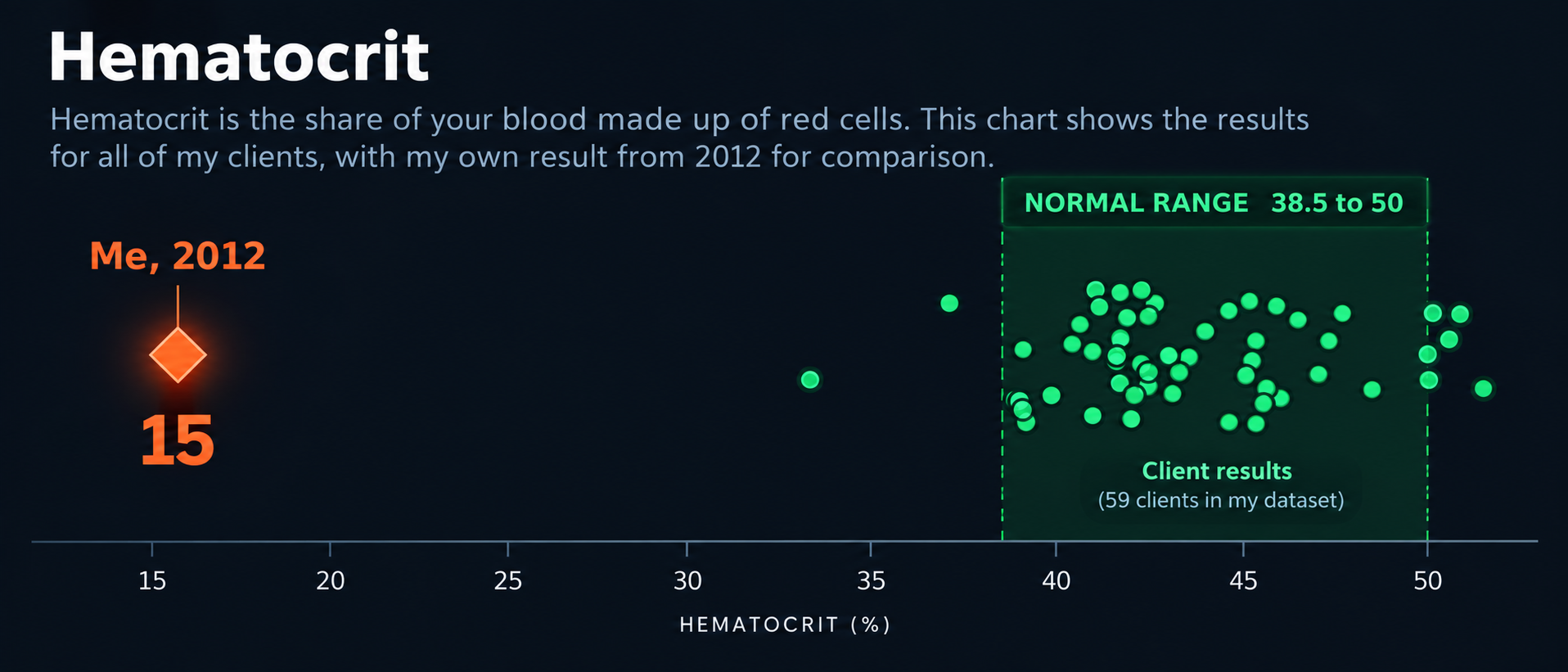
A hematocrit of 15
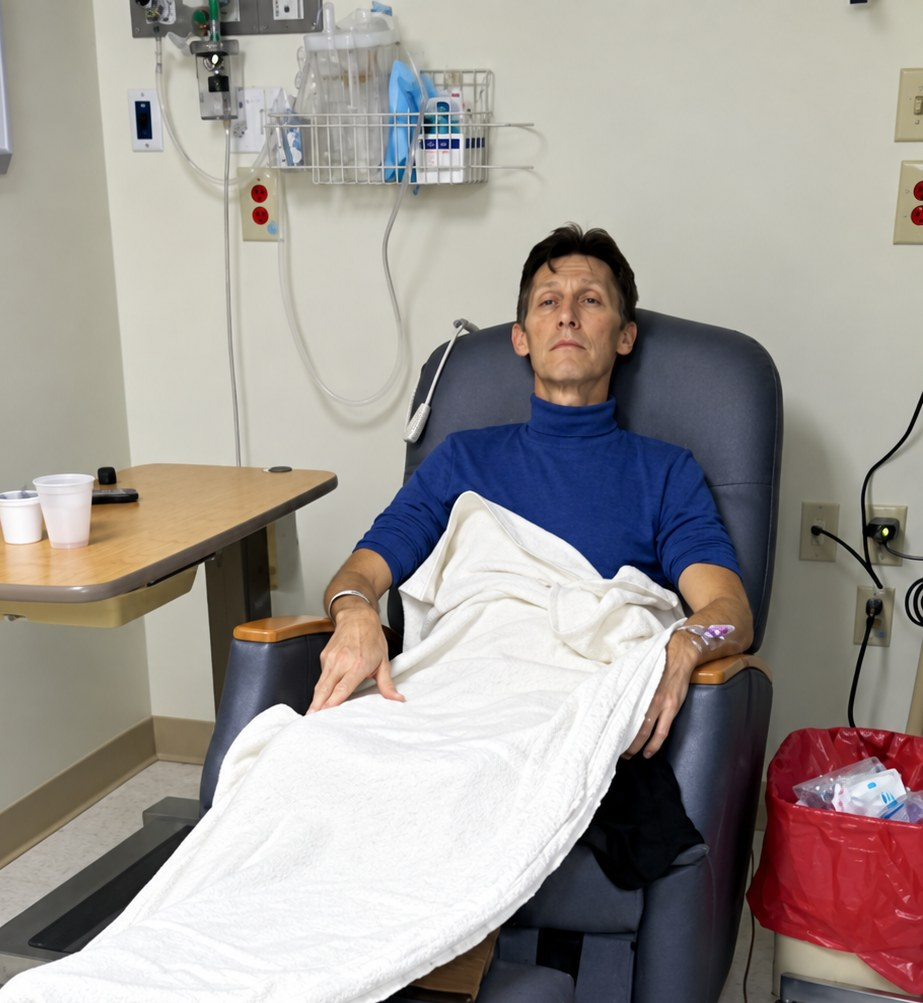
My gut stopped working. Not gradually. I could not eat without searing pain, and the colonoscopy came back as the most severe Crohn’s and ulcerative colitis that hospital had seen. I had no history of either. What I had was a stress load with nowhere to go.
They put me on steroids. Take a man whose cortisol is already pinned to the ceiling by his own life and give him more steroid, and you have added to the problem you are trying to solve. Nobody asked what had put me there. The bleed did not stop.
Over a couple of months my hematocrit fell to 15. Normal is around 45. An adult carries roughly five cups of blood. I had about three.
Red cells are what carry oxygen. At 15 there are not enough of them left to supply the body, so the heart does the only thing it can and moves what remains faster. That is why my resting heart rate was 140 to 150 lying flat, and why I slept on the pull-out sofa downstairs: I could not get up the stairs. Fifteen is a number people get transfused for in an emergency room. It is not a number people walk around with.
I was told that if things did not turn inside ninety days they would resect the bowel and fit a colostomy bag.
Judi told me later that she had privately worked out I would be dead by December, and that I would not live to see her brain surgery. She did not say so at the time. She was waiting for her own skull to be opened and she kept that to herself.
I was a naturopathic doctor and I had become my own sickest patient. I gave the graduation speech for my medical school class at Bastyr. Lying on that bed I remembered the hubris of it and laughed between breaths. All right, smart guy. Get yourself out of this one.
Both of us, at once
None of it waited its turn
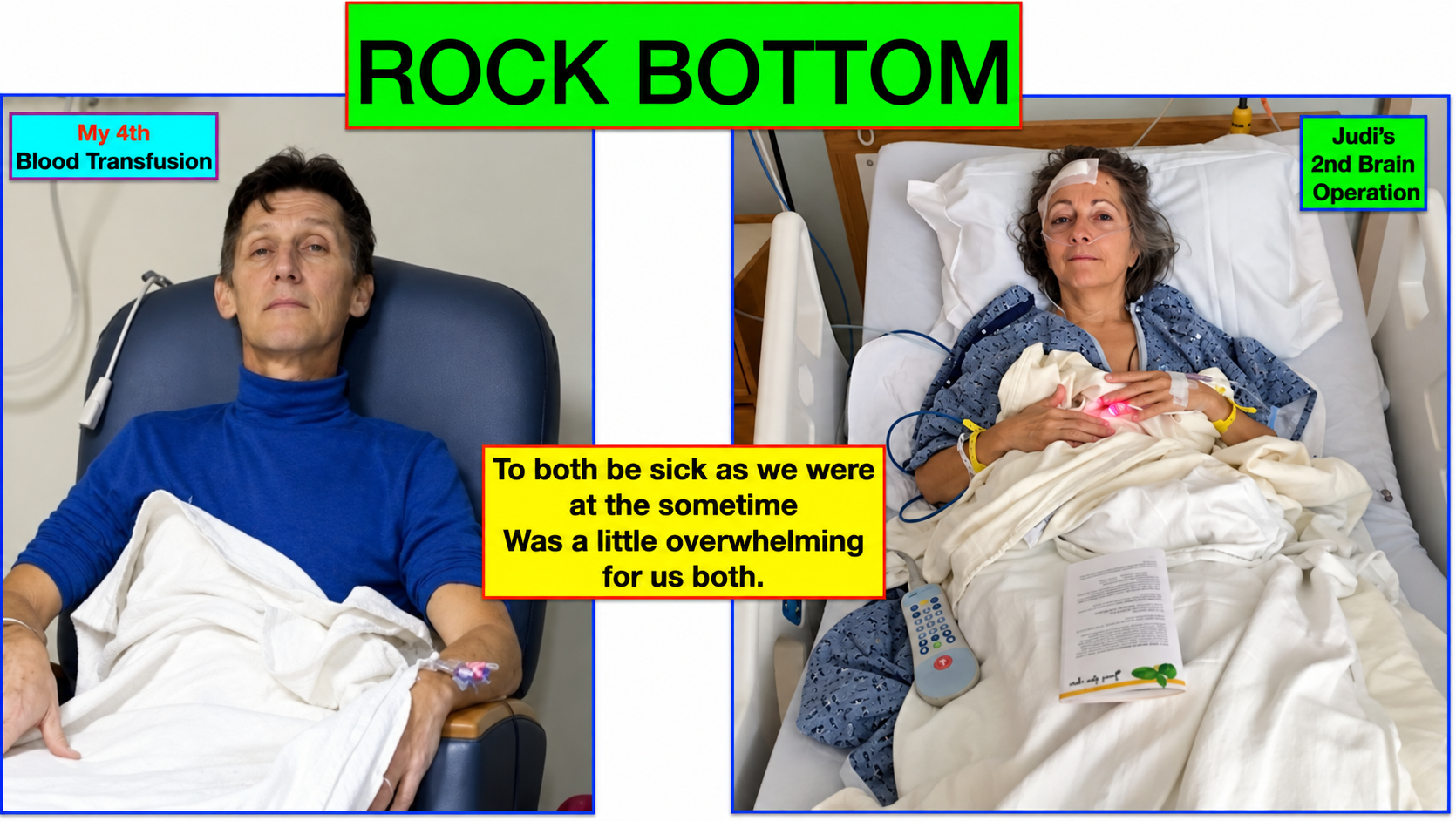
Reading it back in order makes it sound tidier than it was. It did not arrive in sequence. Judi was diagnosed in November of 2012 and operated on at the end of February. My gut had already stopped working. For most of that stretch we were both in the house, both wrecked, and neither of us was in any position to look after the other.
She could not lie down for eight weeks after the surgery, because the pressure was unbearable, so she slept sitting up. I could not get up the stairs, so I slept on the pull-out sofa in the front room. Two people in a house with a perfectly good bed in it, neither of us in it.
I did the cooking, because she could not. That was the one useful thing I could still do, and I did it badly. She was a woman recovering from twelve hours of brain surgery and I was walking to the shop to buy her croissants and muffins and bagels, food neither of us had eaten in fifteen years, because the gastroenterologists had me on white rice and white bread for the colitis and it had become the food in the house. She ate what I brought her. Both of us knew better. Neither of us had anything left to argue with.
That is the part that does not fit neatly into a story about method. There was no clarity in it. There was no plan. There were two people taking turns being the one who could still stand up, eating badly, waiting for the next appointment, and getting steadily worse.
The cavalry was not coming.
No doctor was going to step up with the right answer, because nobody had one. Whatever happened next was going to be ours to find. If you have ever been handed a normal lab report while your body told you otherwise, you already know the specific loneliness of that.
What I did about it
Butyrate
Every organ has a preferred fuel. The liver runs on branched-chain amino acids. The small intestine runs on glutamine. The colon runs on butyrate. I remembered that much from medical school. If I could get butyrate into a colon that was tearing itself apart, the inflammation had a reason to come down.
I could not get it. Butyrate enemas were not available to me, and most of the physicians I asked had never heard of the idea. So I went after the other way to change what a colon is fed, which is to change the bacteria that make the butyrate in the first place.
That took me to fecal microbiota transplant, which in 2013 the United States would barely discuss. I flew to two international gastroenterology conferences, Chicago and then Miami, to find the people doing it. The Americans who presented described disasters. The Australians, the Belgians, the French and the Canadians described thousands of cases and better outcomes than anything on offer to me at home. Thomas Borody in Sydney had done more of them than anyone alive and was willing to sit down and talk it through with a stranger.
We did three months of it at home, five days a week. It worked.
The other butyrate
Somewhere in all that reading I ran into beta-hydroxybutyrate, which is a ketone, and into two books by Volek and Phinney. Same root word. Different molecule. I wanted to know whether the two were connected, and nobody could tell me. That question did not get a serious answer in the literature until 2019.
Chasing it sent me back to 1921 and the original ketogenic work at the Mayo Clinic, which I had to order through a university library because it was not online. What was it built for. What did they actually measure. What happened when patients came off it. Then forward through its fall out of favour, its revival in the 1990s for pediatric epilepsy, and out into where it sits today.
Judi arrived at the same diet from the opposite direction. Hers was a brain problem, and the oldest and best documented use of a ketogenic diet is neurological. Two different reasons, one diet, the same kitchen table.
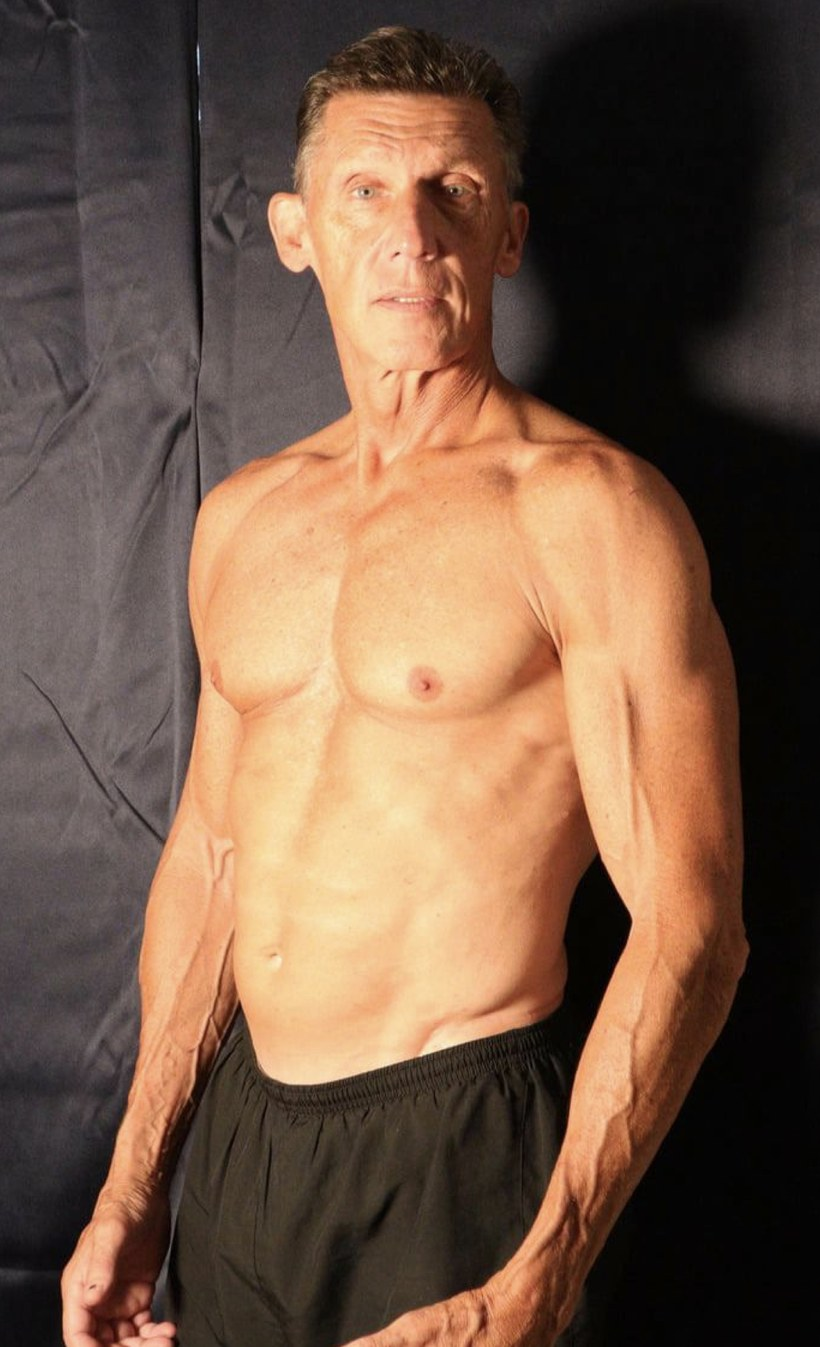
I came off the last of the Crohn’s and colitis medications in 2015. Every colonoscopy since has been clean.
I am not showing you that photograph because a physique proves anything about medicine. It does not. I am showing it because the man in the transfusion chair a few paragraphs up could not climb a flight of stairs, and I would rather you see the distance than take my word for it.
The part that became the work
Why I read labs the way I do
Nothing in those four years was solved by a single number.
Judi’s IGF-1 sat elevated for years and got read as a value inside a range. My inflammation was treated as a diagnosis code rather than as a physiology with a cause somebody could have asked about. My brother’s spreadsheet was columns of numbers that individually looked unremarkable, month after month, for nine and a half years.
The signal is in what moves together. That is the entire thesis, and it is not complicated. Twelve years and nearly 9,000 scatter plots later, across more than a hundred clients, I have found no reason to change my mind about it.
I do every analysis myself. There is no team, no associate, and no software reading your labs for you.
I work online with clients anywhere. Blood draws happen at a lab near you. The hormone and genomic panels are done at home.
Dr. Karl Goldkamp, ND
New Bern, North Carolina
You do not have to lose everything first
We did, and I would not recommend it as a method. The labs exist. They are not exotic, and set against what they tell you they are not expensive. What is missing is somebody willing to sit with three hundred numbers and read them as one thing.
drgoldkamp@ketonaturopath.com
Credentials
The formal record
- Doctor of Naturopathic Medicine and MS in Acupuncture, Bastyr University, 1998
- Certification in Chinese Herbal Medicine, Northwest Institute of Oriental Medicine
- Certification in Environmental Medicine, Southwest College of Naturopathic Medicine, 2005
- Visiting lecturer in functional medicine and nutrigenomics, University of Massachusetts College of Pharmacy, 2007 to 2010
- Private practice, Mystic and Old Lyme, Connecticut, 2000 to 2013
- Graduation speaker for the 1998 Bastyr naturopathic class, chosen by the class, and the first to do so holding two degrees
- Co-manager of the Gaia Herbal Symposium, Black Mountain, North Carolina, 1992 to 2007
- Author of Unlocking Optimal Metabolic Health and, with Judi Goldkamp, Precision PSMF
These days Judi cooks, and puts most of it on camera, at Judi’s Keto Kitchen.
This account is personal history, not a claim about what any diet or procedure will do for anyone else. Dr. Karl Goldkamp is a naturopathic doctor and licensed acupuncturist. His consulting work is educational and analytical: it interprets laboratory data and supports dietary and lifestyle decisions. It does not diagnose or treat disease, does not include prescribing, and does not replace your own physician or any treatment they have prescribed.
Follow Me


Recent Posts
Archives
- September 2026
- August 2026
- July 2026
- June 2026
- May 2026
- April 2026
- March 2026
- February 2026
- January 2026
- December 2025
- November 2025
- October 2025
- September 2025
- August 2025
- July 2025
- June 2025
- May 2025
- April 2025
- March 2025
- February 2025
- January 2025
- December 2024
- November 2024
- October 2024
- September 2024
- August 2024
- July 2024
- June 2024
- May 2024
- April 2024
- March 2024
- February 2024
- January 2024
- December 2023
- November 2023
- October 2023
- September 2023
- August 2023
- July 2023
- June 2023
- May 2023
- April 2023
- March 2023
- February 2023
- January 2023
- December 2022
- November 2022
- October 2022
- September 2022
- August 2022
- July 2022
- June 2022
- May 2022
- April 2022
- March 2022
- February 2022
- January 2022
- December 2021
- November 2021
- October 2021
- September 2021
- August 2021
- July 2021
- June 2021
- May 2021
- April 2021
- March 2021
- February 2021
- January 2021
- December 2020
- November 2020
- October 2020
- September 2020
- August 2020
- July 2020
- June 2020
- May 2020
- April 2020
- March 2020
- February 2020
- January 2020
- December 2019
- November 2019
- October 2019
- September 2019
- August 2019
- July 2019
- June 2019
- May 2019
- April 2019
- March 2019
- February 2019
- January 2019
- December 2018
- November 2018
- October 2018
- September 2018
- August 2018
- July 2018
- June 2018
- May 2018
- April 2018
- March 2018